
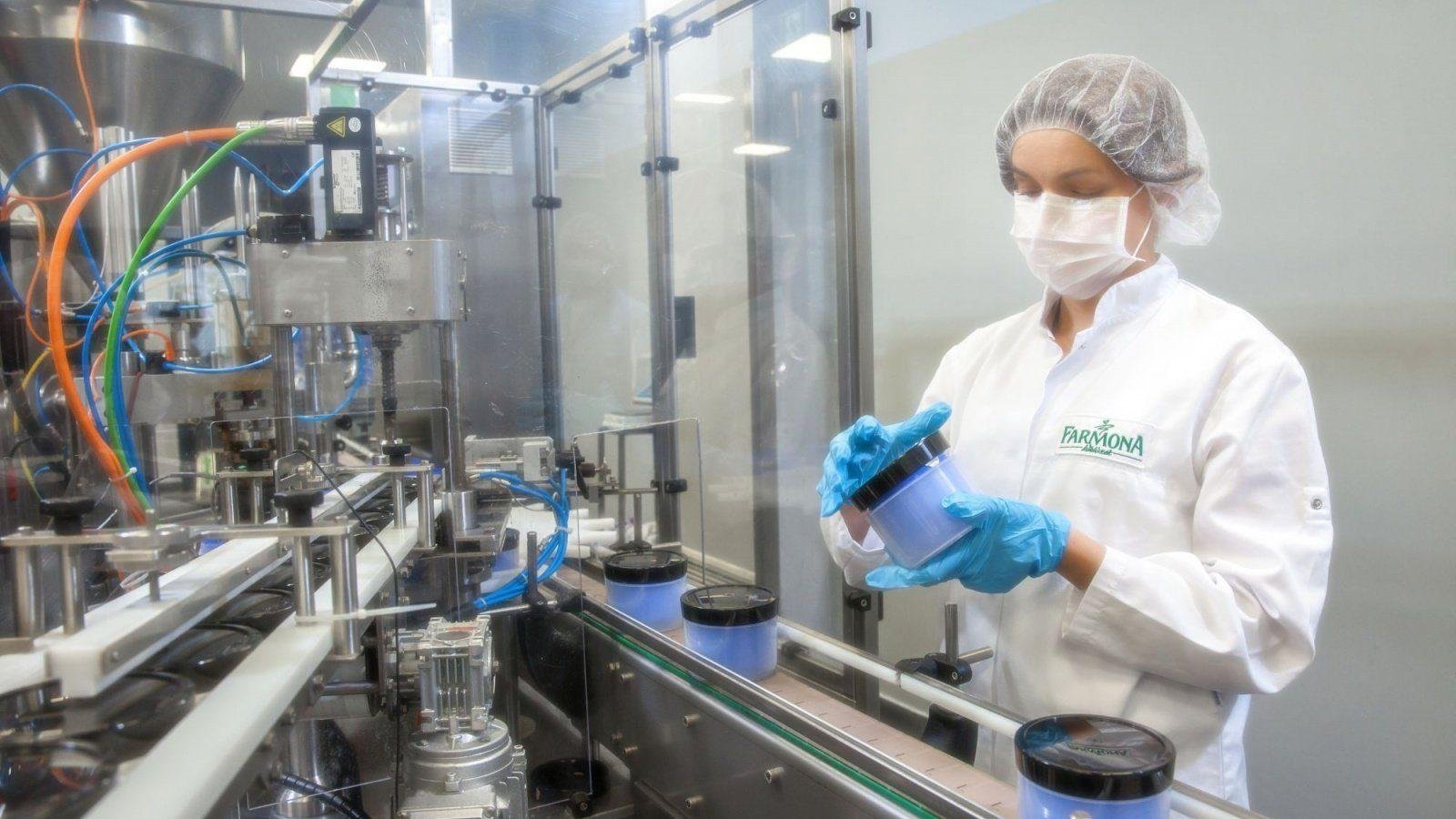
Introduction: Your Brand, Their Factory
Imagine that you have an established distribution business. You know your customers, understand your market and have identified a gap in your product range. Perhaps you want to introduce a skincare line, a range of dietary supplements or a collection of furniture under your own brand.
The commercial opportunity is there. The problem is production.
Building your own factory would require significant investment, specialist knowledge, equipment and people. Even if you had the resources, it might not make sense to take on all that complexity just to launch a new product line.
This is where private label and OEM manufacturing come into the picture.
Instead of producing everything yourself, you work with a manufacturer that already has the facilities, equipment and expertise. You concentrate on developing your brand, reaching customers and building distribution, while your production partner takes care of the manufacturing process agreed between you.
For many businesses, this is a practical way to enter a new product category without building an entire production operation from scratch.
Poland is worth exploring in this context. Its manufacturing sector covers a wide range of industries, including cosmetics, food, dietary supplements, furniture, textiles, packaging and industrial products. For an international company looking for a European production partner, this creates opportunities across different market segments.
But there is an important distinction between finding a company that offers manufacturing services and finding one that is right for your business.
The difference often becomes apparent only after the first quotation, the first sample or, sometimes, the first production order.
This guide looks at what international buyers should understand before entering a private label or OEM manufacturing relationship in Poland.
1. Private Label and OEM: Similar Ideas, Different Arrangements
The terms private label and OEM are often used together, particularly in international sourcing. They are related, but they do not necessarily describe the same arrangement.
With private label manufacturing, a manufacturer produces goods that another business sells under its own brand. In many cases, the manufacturer already has products or formulations that can be offered to different customers. The buyer may then choose the product, packaging and branding, with some room for customisation.
Consider a retailer planning to launch its own skincare range. Rather than developing every product and building a cosmetics production facility, it approaches an established manufacturer that can produce skincare products under the retailer's brand.
OEM manufacturing can involve a different level of customisation. The buyer may provide product specifications, designs, technical drawings or other requirements, while the manufacturer produces goods according to the agreed instructions.
For example, a company selling industrial equipment may work with a Polish manufacturer to produce a particular component based on its technical drawings.
Contract manufacturing is a broader term. It describes an arrangement in which one company commissions another to manufacture products on its behalf. Depending on the project, this may include adapting an existing product, producing according to a supplied formula or developing a more customised manufacturing solution.
In practice, these terms are not always used consistently. One manufacturer may describe its services as OEM, while another may use the term contract manufacturing for a very similar arrangement.
That is why buyers should look beyond the label. What matters is understanding exactly what the manufacturer will do, what you need to provide and who is responsible for each stage of the process.
2. Why Are International Buyers Looking at Poland?
There is no single reason why a company chooses Poland as a manufacturing destination. Usually, it comes down to a combination of product availability, production capabilities, commercial conditions and logistics.
One of Poland's advantages is the variety of industries represented in its manufacturing sector. A buyer looking for cosmetics may approach a completely different group of companies from an importer interested in furniture, packaging or industrial components. Yet all of these categories can be explored within the same broader manufacturing market.
Geography can also matter. For companies selling in Europe, working with a manufacturer located in Poland may simplify certain logistics and coordination processes, depending on where the goods are being delivered.
There is also a practical business consideration: not every company needs a large multinational manufacturer. For some projects, a specialised small or medium-sized producer may be a better fit, particularly when the product requires flexibility or a specific area of expertise.
However, it is important not to confuse a country's industrial potential with the capabilities of an individual supplier. A strong manufacturing sector does not automatically make every manufacturer suitable for every project.
The right partner is the company that can meet your actual requirements, at a commercially viable scale, with clear responsibilities and realistic production commitments.
3. What Can You Have Manufactured in Poland?
The answer depends on the product and the manufacturer's specialisation, but the range of potential opportunities is broad.
In cosmetics, for example, buyers may find manufacturers working with skincare, haircare, hygiene products and personal care formulations. Some offer existing product ranges, while others may support more customised development.
Food producers may offer private label arrangements for packaged products, confectionery, beverages, sauces and other categories. Here, the discussion quickly moves beyond the recipe itself: ingredients, shelf life, packaging, production volumes and food safety requirements all matter.
The dietary supplements sector presents another opportunity. Depending on their capabilities, manufacturers may work with capsules, tablets, powders and other product formats. Buyers need to pay particular attention to ingredient specifications, product classification, permitted claims and the regulatory requirements of the intended market.
In furniture and interior products, private label and OEM arrangements may involve finished furniture, components or products manufactured according to a buyer's design. Materials, dimensions, packaging and transport protection become important parts of the discussion.
Textile manufacturers may offer garment production, custom designs or selected private label services. For industrial buyers, OEM opportunities can include machinery components, technical products and specialised parts manufactured according to drawings or specifications.
The important point is that the words private label and OEM do not guarantee that a manufacturer can provide every service a buyer might expect. Some companies specialise in production only. Others may offer development, packaging or additional support.
These differences should be established before negotiations go too far.
4. Finding a Manufacturer Is a Sourcing Decision, Not Just an Online Search
A search for private label manufacturers in Poland can produce plenty of results. But a long list of company names is not the same as a useful shortlist.
The first question should be whether a manufacturer actually works with your product category. The second is whether its production model fits your business.
Start with a clear description of what you want to launch. You do not necessarily need a finished technical specification at this stage, but you should know the product category, target market, expected order volume, desired price range and the level of customisation you need.
Then look for companies whose actual activities match those requirements.
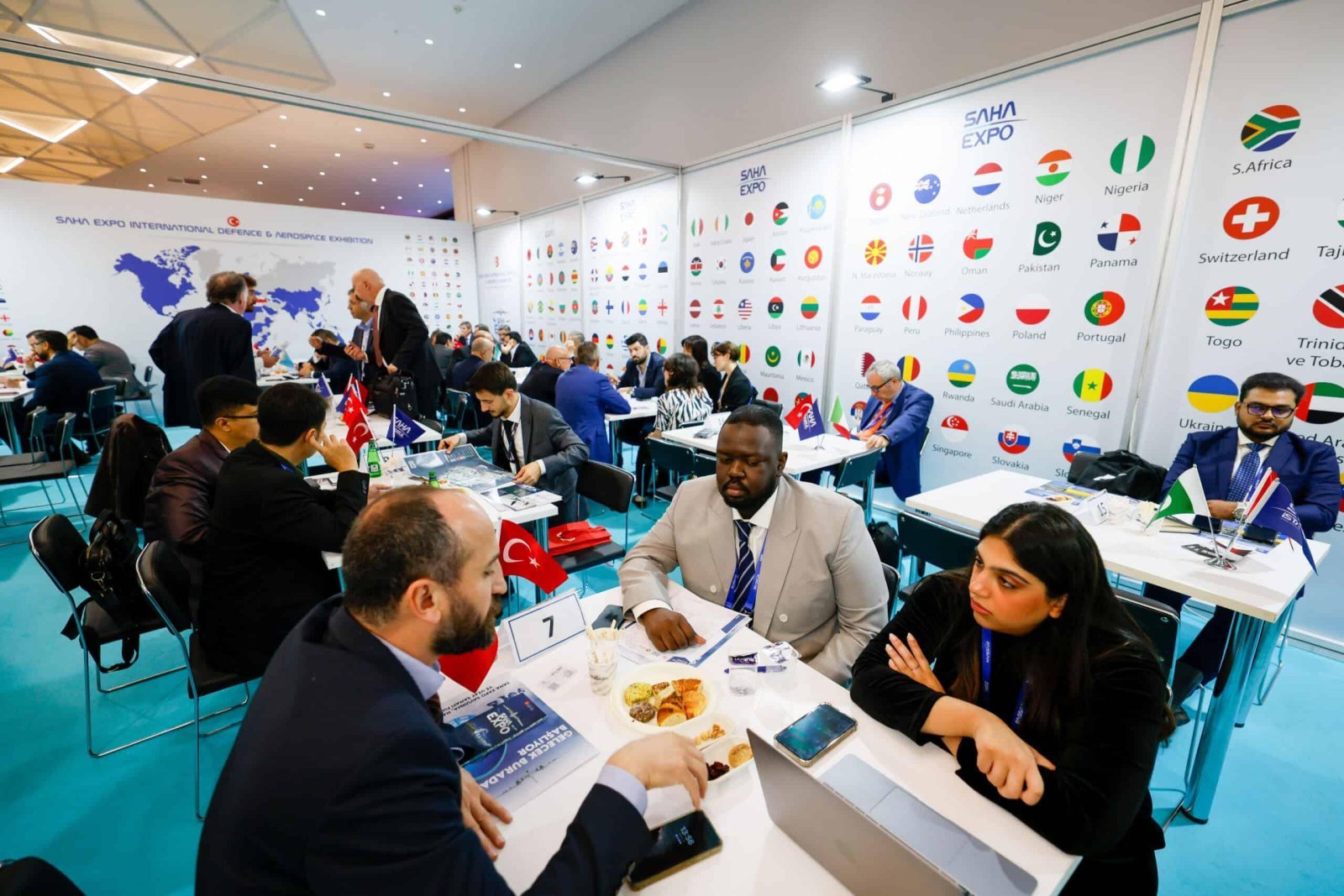
Trade fairs can be particularly useful because they allow buyers to see products and speak directly with manufacturers. Industry associations and professional networks can also help identify specialised businesses.
Online company directories and B2B platforms provide another route. They can make it easier to explore manufacturers across different industries without relying entirely on broad search engine results.
Polish Export Cluster is designed to support this initial discovery process by bringing together profiles of Polish companies across different business categories. For an international buyer exploring the Polish market, it offers another way to identify companies worth researching and contacting.
The goal is not to contact as many manufacturers as possible. It is to find a smaller number of companies that are genuinely relevant to the project.
5. The First Quotation: What Does the Price Actually Include?
This is often where an apparently straightforward project becomes more complicated.
A manufacturer sends a quotation. The unit price looks attractive, and the buyer starts calculating the potential margin. Then the details emerge: a minimum order quantity that is higher than expected, separate packaging costs, development fees or additional charges for customised specifications.
None of these conditions is necessarily unreasonable. Manufacturing involves setup, materials, labour, equipment and planning. The important thing is to understand the full commercial picture before making a decision.
Minimum order quantity, or MOQ, is one of the first things to clarify. A manufacturer may have a minimum production run because of equipment setup, raw material purchasing or packaging requirements.
For an established distributor, that quantity may be perfectly manageable. For a new brand testing demand, it could create a significant financial commitment.
Ask whether different product variants can be combined within one order, whether the manufacturer offers smaller initial runs and how pricing changes at different volumes.
You should also ask about samples, development costs, packaging, payment terms and production lead times.
Most importantly, compare the total cost of getting the product ready for sale, not just the price per unit. Depending on the project, that may include product development, testing, design, regulatory work, transport and marketing.
The cheapest quotation is not necessarily the best commercial decision. A lower unit price can become expensive if it requires you to hold more inventory than your business can realistically sell.
6. Samples Are Where Expectations Meet Reality
A product description can sound convincing. A catalogue may look impressive. But neither tells you everything about the finished product.
This is why samples matter.
Before approving production, buyers should have a clear opportunity to examine what the manufacturer is proposing to supply. Depending on the product, that may involve testing the formulation, checking materials, reviewing dimensions or evaluating performance.
The sample should be assessed against agreed requirements, not simply judged on whether it looks good.
If the manufacturer is producing a customised item, make sure the approved sample reflects the specifications that will apply to the production order.
It is also worth discussing how the manufacturer maintains consistency between batches. This is particularly important for products that will be ordered regularly, such as cosmetics, food and supplements.
A good manufacturing relationship requires more than an acceptable first sample. It requires a process that can deliver the agreed product consistently over time.
7. Who Owns the Formula, Design and Brand?
This is a question that should be discussed before production begins, not after a successful product launch.
Imagine investing in a new product formulation, packaging design and marketing campaign. Sales begin to grow, and the product becomes an important part of your brand. Then you discover that the agreement does not clearly establish who owns the formulation or whether the manufacturer can use similar designs for other customers.
That is an avoidable business risk.
In private label and OEM projects, the parties should agree on the ownership and permitted use of product designs, formulas, technical drawings, artwork and other intellectual property.
The agreement should also cover confidentiality, access to technical documentation and restrictions on sharing commercially sensitive information.
The exact arrangement will depend on how the product was developed and what each party contributed. Paying for production does not automatically mean that the buyer owns every formula, design or technical document involved.
For customised or commercially significant projects, it is sensible to have the agreement reviewed by a qualified legal professional before sharing sensitive materials or committing to production.
8. Regulatory Responsibilities Should Be Clear From the Beginning
A product that can be manufactured is not necessarily ready to be sold in every market.
This distinction is particularly important in sectors such as food, cosmetics and dietary supplements, where specific requirements may apply to ingredients, safety assessments, labelling, documentation and permitted product claims.
Machinery and electrical products can involve different conformity and technical documentation requirements.
Buyers should establish which party is responsible for each part of the compliance process. Does the manufacturer provide technical documents? Who approves the label? Who checks the requirements of the destination market? Who is responsible for notifications or other formalities where applicable?
These questions should be addressed before the product enters commercial production.
Working with a Polish manufacturer does not, by itself, guarantee that the finished product meets the requirements of every country where it may eventually be sold.
9. Questions Worth Asking Before You Sign an Agreement
A good first conversation should establish whether both parties are talking about the same project.
Rather than asking only whether a manufacturer offers private label services, explain what you want to produce and ask questions that reveal how the cooperation would work in practice.
For example:
Do you manufacture this product directly?
Do you offer existing formulations or fully customised development?
What is your minimum order quantity?
Can you produce samples before the first commercial order?
What are the expected production lead times?
What quality-control procedures do you use?
What documentation can you provide?
Which markets do you currently supply?
How are product changes and technical specifications approved?
How do you handle confidentiality and intellectual property?
The answers will not tell you everything, but they should give you a much clearer picture of whether the company is worth considering.
10. Think Beyond the First Production Order
A manufacturing partner should ideally be able to support the business as it grows.
A company launching its first product may initially need a relatively small production run. If the product performs well, however, it may soon need larger quantities, additional variants or new packaging formats.
Before choosing a manufacturer, consider whether the company has the capacity and flexibility to support that development.
This does not mean choosing the largest supplier available. A smaller specialist manufacturer may be an excellent partner. What matters is whether its capabilities match both your current requirements and your realistic plans for growth.
It is also worth paying attention to communication. Production schedules change, specifications sometimes need adjustment and unexpected problems can occur. A partner who communicates clearly and deals with issues professionally can make a substantial difference to the success of the relationship.
Conclusion: Choose a Partner, Not Just a Production Price
Private label and OEM manufacturing can give businesses access to new product categories without the investment required to build their own production facilities.
Poland offers international buyers a broad range of potential manufacturing partners across industries including cosmetics, food, dietary supplements, furniture, textiles and industrial products.
But the right choice requires more than finding a manufacturer with an attractive price list.
Buyers need to understand the production model, assess minimum order quantities, examine samples, clarify intellectual property rights and establish regulatory responsibilities before committing to a project.
A well-prepared sourcing process makes it easier to identify suitable companies and build a relationship that can develop as the business grows.
For companies exploring production opportunities in Poland, Polish Export Cluster provides an additional starting point for discovering manufacturers and learning about businesses across different industries.
Frequently Asked Questions
1. What is the difference between private label and OEM manufacturing?
Private label generally means selling a manufacturer's product under your own brand. OEM manufacturing often involves producing goods according to specifications or designs provided by the buyer. The exact meaning can vary by industry and contract.
2. Can I launch my own brand without owning a factory?
Yes. Private label and contract manufacturing arrangements allow businesses to work with existing manufacturers and sell products under their own brands. The available options depend on the product category and the manufacturer's capabilities.
3. Do Polish manufacturers offer private label cosmetics and supplements?
Some Polish manufacturers operate in these sectors and offer private label or contract manufacturing services. Buyers should confirm the available production formats, minimum quantities, documentation and regulatory responsibilities directly with each manufacturer.
4. What is the MOQ for private label production in Poland?
There is no universal minimum order quantity. MOQ depends on the product, materials, production process, packaging and the manufacturer's commercial model. It should be clarified at the beginning of the sourcing process.
5. Can a Polish manufacturer develop a product according to my own specifications?
Some manufacturers offer customised development and OEM services, while others work mainly with existing products or formulations. Buyers should discuss the scope of development and responsibilities before entering an agreement.
6. Who owns the formula or design in private label manufacturing?
Ownership depends on the contract, the origin of the intellectual property and the applicable law. It should be clearly established in writing before production begins.
7. How can I find a private label manufacturer in Poland?
Potential partners can be discovered through trade fairs, industry associations, business networks, company websites and B2B directories. Polish Export Cluster also provides a digital starting point for exploring Polish companies by industry and business category.
Editorial note: This article provides general business information and does not constitute legal, technical or regulatory advice. Production arrangements, intellectual property rights and product compliance should be assessed individually for each project and destination market.