Finding the right business partner is one of the most important decisions for any company involved in international trade. Whether you are an importer, distributor, wholesaler or brand owner, choosing a reliable manufacturer can have a direct impact on your product quality, supply chain stability and long-term business growth.
Poland has developed a diverse manufacturing and business services sector, offering international buyers opportunities across many industries. From furniture and food products to cosmetics, dietary supplements, machinery and advanced technologies, Polish companies operate in a wide range of markets and business segments.
For international companies looking to diversify their supplier base, explore new products or establish long-term commercial relationships in Europe, Poland is a market worth considering.
In this article, we explain why international buyers should explore Polish manufacturers, which industries offer cooperation opportunities and how to identify suitable suppliers in Poland.
1. Why Consider Poland as a Sourcing Destination?
Poland is one of the largest economies in Central Europe and a member of the European Union. Its position within the European single market, industrial capabilities and geographical location make it an interesting sourcing destination for international businesses.
There are several reasons why buyers may consider working with Polish suppliers.
Access to the European Union Market
As an EU member state, Poland operates within the European Union's regulatory and trade framework.
For companies sourcing products within the EU, this can simplify certain aspects of cooperation compared with sourcing from outside the Union. However, buyers should still consider product-specific requirements, VAT treatment, contractual arrangements and applicable regulations.
For businesses importing from outside the EU, the relevant customs procedures, duties and product requirements should be checked before placing an order.
A Diverse Manufacturing Sector
Poland is home to manufacturers operating in numerous industries, including:
Food and beverages.
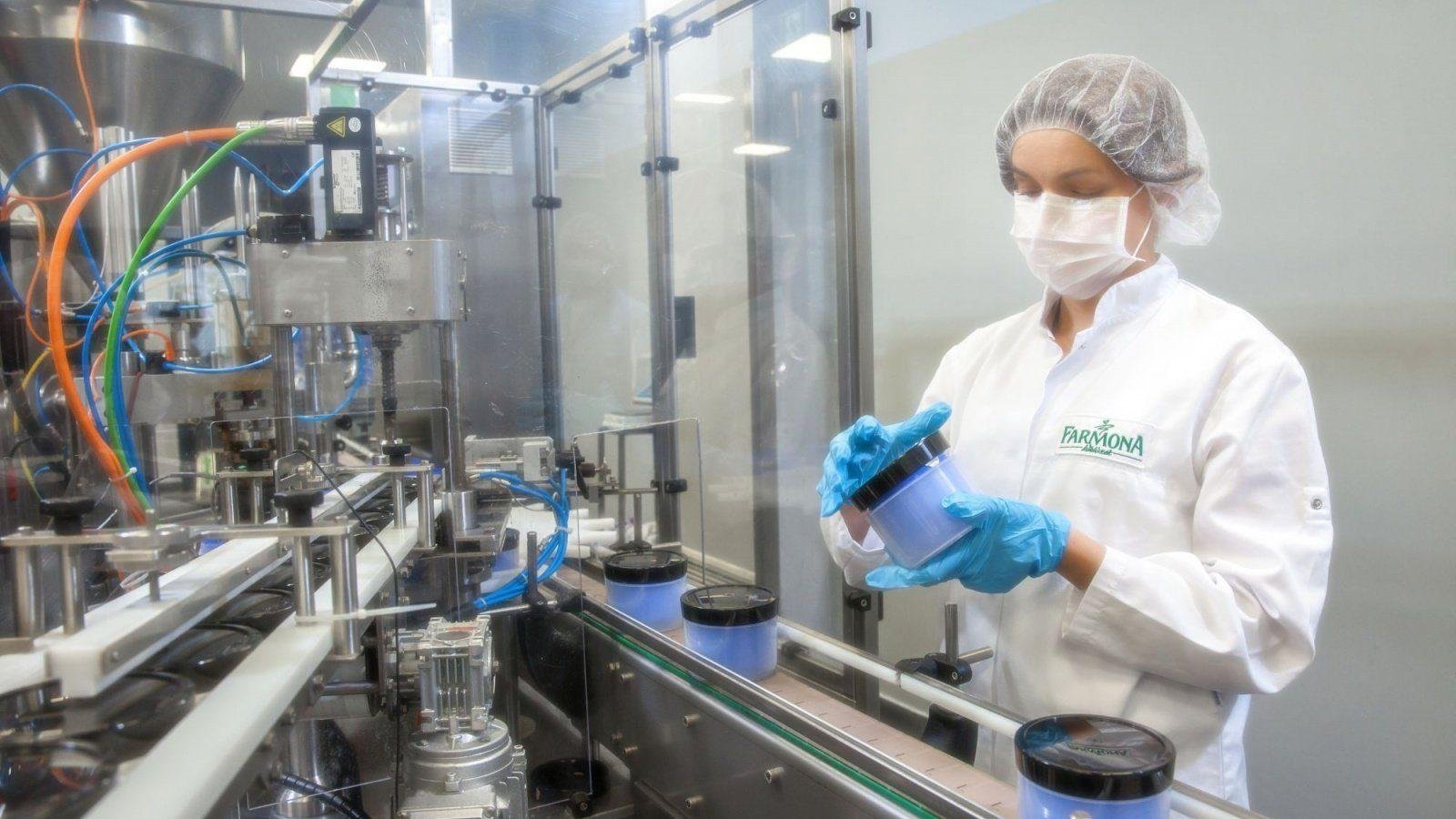
Cosmetics and personal care.
Dietary supplements and nutraceuticals.
Furniture and interior products.
Construction materials.
Machinery and industrial equipment.
Electronics and electrical components.
Textiles and apparel.
Automotive components.
Packaging and printing.
Green technologies.
Information technology and business services.
This diversity allows international buyers to explore different types of suppliers within one country.
Opportunities for Different Business Models
Polish manufacturers may offer various cooperation models depending on their capabilities and industry.
These can include:
OEM manufacturing: production based on the buyer's specifications and requirements.
Private label: manufacturing products under the buyer's own brand.
Contract manufacturing: production under an agreed commercial and technical arrangement.
Component supply: production of parts and components for other manufacturers.
Distribution partnerships: cooperation in selling and distributing products in selected markets.
Custom manufacturing: development and production of solutions tailored to specific customer needs.
Not every company offers all these services, so buyers should confirm the available options directly with potential suppliers.
A Strategic Location in Central Europe
Poland's geographical position provides access to important European transport routes and logistics networks.
Depending on the supplier's location, product type and destination, buyers can consider road, rail, sea and air transport options.
Actual delivery costs and lead times depend on shipment volume, transport arrangements, destination country and agreed delivery terms. These factors should always be evaluated when comparing potential suppliers.
2. Which Industries Can International Buyers Explore in Poland?
One of Poland's advantages as a sourcing destination is the variety of products and services available. Below are several sectors worth exploring.
Food and Beverages
Poland has an established food production sector, with companies manufacturing processed foods, dairy products, meat products, confectionery, beverages, ingredients and other food categories.
International buyers may explore opportunities in retail distribution, wholesale, food service and private-label production.
Before entering into cooperation, buyers should verify applicable food safety requirements, product documentation, labeling rules and import conditions in their destination markets.
Cosmetics and Personal Care
Polish cosmetics manufacturers offer products across different segments, including skincare, haircare, body care, hygiene and beauty products.
Some companies may also provide contract manufacturing and private-label services.
For international buyers, it is important to assess product formulations, packaging options, quality documentation, minimum order quantities and the regulatory requirements of the target market.
Dietary Supplements and Nutraceuticals
Dietary supplements are another category worth exploring when looking for Polish manufacturers.
Potential product segments include:
Vitamins and minerals.
Probiotics and prebiotics.
Collagen products.
Botanical and plant-based extracts.
Sports nutrition.
Functional food products.
Specialised nutritional products.
Buyers interested in this sector should pay particular attention to product classification, permitted ingredients, health claims, labeling and notification requirements.
Regulations differ between markets. A product that can legally be marketed as a food supplement in one country may be subject to different requirements in another.
For this reason, regulatory checks should be completed before importing or distributing dietary supplements.
Furniture and Interior Products
Poland is an established manufacturing location for furniture and interior-related products.
International buyers can explore suppliers of:
Residential furniture.
Office furniture.
Kitchen and bathroom furniture.
Upholstered furniture.
Furniture components.
Interior fittings and accessories.
Custom-made furniture solutions.
When evaluating a supplier, buyers should clarify materials, dimensions, finishes, production capacity, packaging, transport requirements and delivery schedules.
Machinery and Industrial Equipment
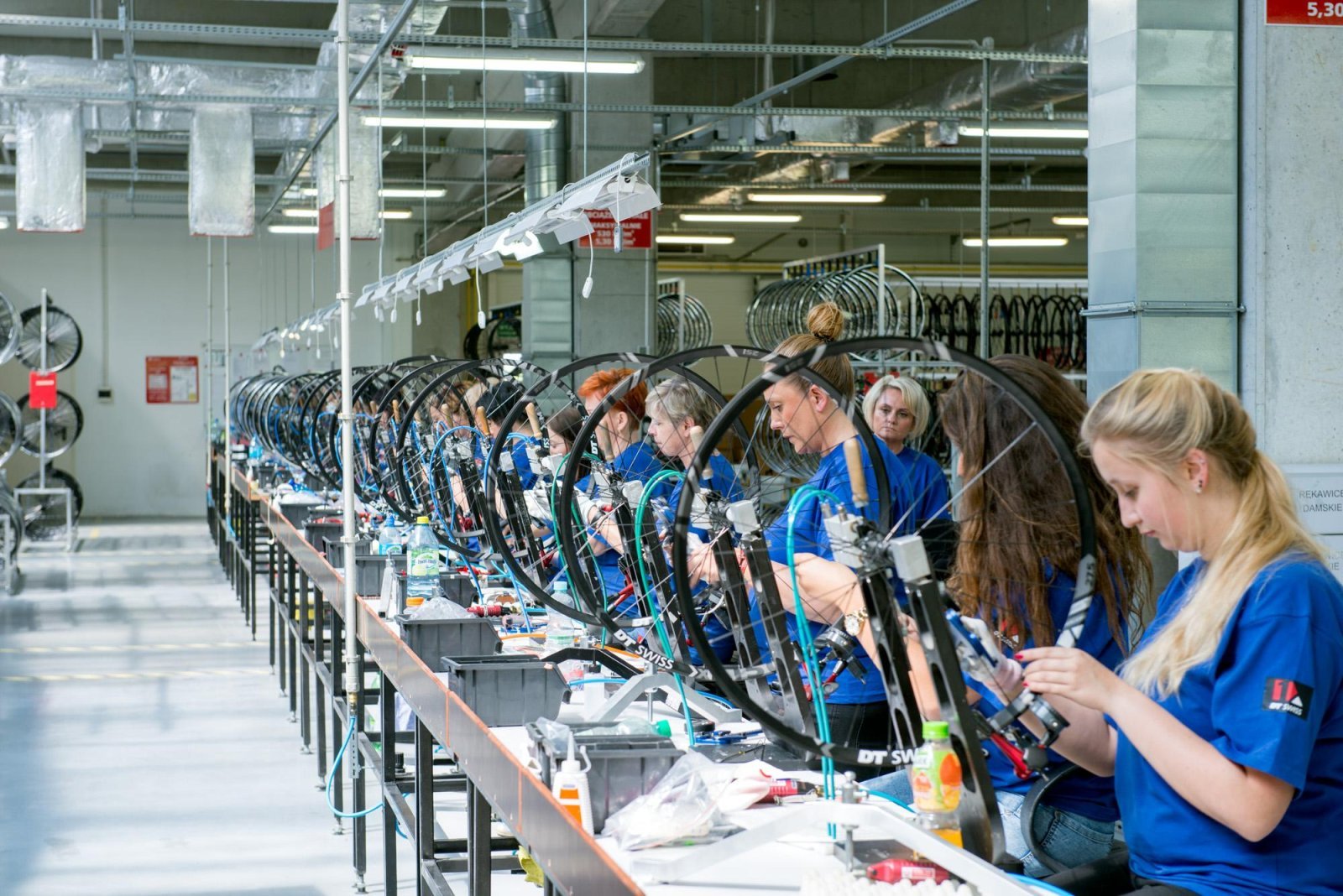
Polish industrial companies produce a variety of machines, components and specialised equipment for different sectors.
Potential cooperation opportunities include industrial machinery, manufacturing equipment, metalworking solutions, agricultural machinery and technical components.
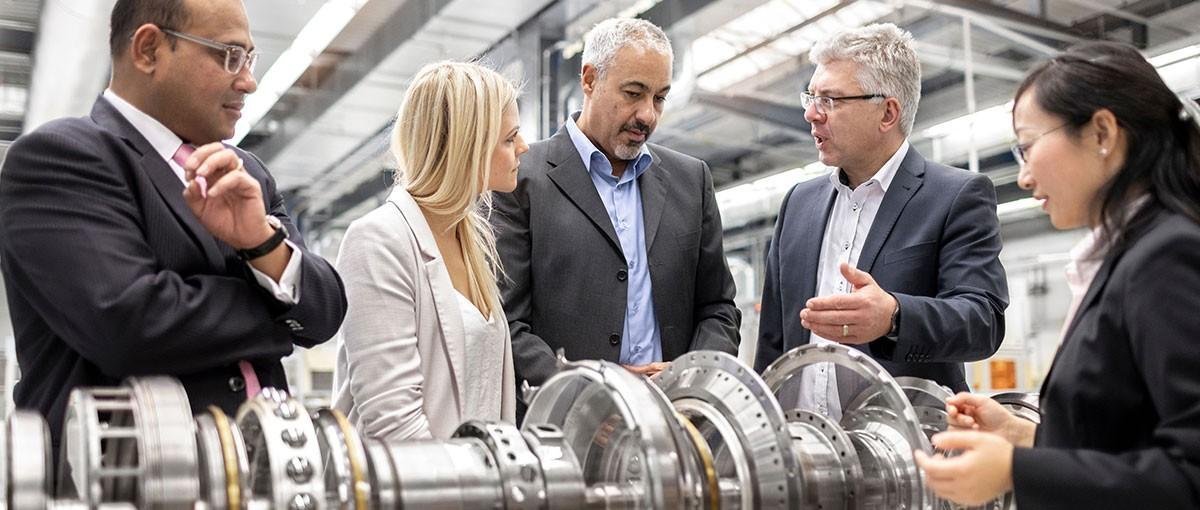
Buyers should carefully review technical specifications, conformity documentation, installation requirements, spare parts availability and after-sales support.
Construction Materials
Polish manufacturers offer a range of construction and finishing products, including building materials, insulation solutions, windows, doors, flooring, roofing products and interior finishing materials.
For international projects, buyers should confirm that products meet the applicable standards, technical requirements and certification obligations in the destination market.
Textiles and Apparel
The Polish textile and apparel sector includes manufacturers and suppliers of clothing, fabrics, home textiles and related products.
Depending on the company, cooperation may involve finished products, private-label production, custom manufacturing or supplying components and materials.
Buyers should clarify production capacity, material specifications, minimum order quantities and quality standards.
IT and Business Services
Poland is also home to companies providing technology and professional services to international clients.
Potential areas of cooperation include software development, IT consulting, engineering, design, digital solutions and business process services.
For buyers looking beyond physical products, Polish service providers can be potential partners for long-term B2B projects.
3. How to Find Reliable Manufacturers in Poland
Identifying a potential supplier is only the first step. Before starting commercial cooperation, buyers should evaluate whether a company is suitable for their specific requirements.
A structured sourcing process can help reduce uncertainty and make supplier selection more effective.
Step 1: Define Your Product Requirements
Start by preparing a clear description of the product you want to source.
Include:
Product type and intended application.
Technical specifications.
Required materials and components.
Quality standards.
Expected order volumes.
Packaging requirements.
Target price range.
Destination market.
A clear specification helps manufacturers understand your expectations and prepare more relevant offers.
Step 2: Identify Potential Suppliers
Search for companies operating in the relevant industry.
Useful sources include:
Industry-specific business directories.
International trade fairs.
Chambers of commerce.
Industry associations.
B2B platforms.
Business networks.
Recommendations from existing partners.
Comparing several companies can help you better understand the available market options.
Step 3: Verify the Company's Business Information
Before entering into negotiations, confirm the legal identity of the potential supplier.
Depending on the company and transaction, useful checks may include:
Company registration details.
Business address and contact information.
Relevant company representatives.
Available certifications and documentation.
References and export experience.
Publicly available financial or business information, where appropriate.
Remember that a company profile or online listing should be treated as an initial source of information, not as a guarantee of reliability.
Step 4: Evaluate Product Quality
Request samples, technical documentation and information about quality-control procedures.
For regulated or technical products, verify relevant certificates, declarations, test reports and standards. Check that the documents apply to the specific product and are valid for the intended market.
Where appropriate, buyers may also consider independent inspections or factory audits.
Step 5: Discuss Commercial Terms
Before placing an order, clarify the main conditions of cooperation:
Minimum order quantity (MOQ).
Production lead time.
Product pricing.
Payment terms.
Packaging and labeling.
Delivery arrangements and Incoterms.
Warranty and complaint procedures.
Responsibilities of each party.
Clear agreements help prevent misunderstandings and establish a stronger basis for long-term cooperation.
4. Questions to Ask a Polish Manufacturer Before Starting Cooperation
When contacting a potential supplier, it is useful to prepare a list of questions.
Here are some examples:
What products and product variations can your company manufacture?
Do you offer OEM, ODM, private-label or contract manufacturing?
What are your minimum order quantities?
What is your typical production lead time?
Which quality standards and certificates are relevant to your products?
Do you currently export to international markets?
Can you provide product samples and technical documentation?
Can you adapt packaging and labeling for our destination market?
What are your payment and delivery conditions?
Who will be responsible for international sales and customer support?
The answers will help you determine whether the company has the capabilities and commercial approach required for your project.
5. Where Can International Buyers Meet Polish Manufacturers?
Online research is an important part of supplier discovery, but direct business communication remains valuable.
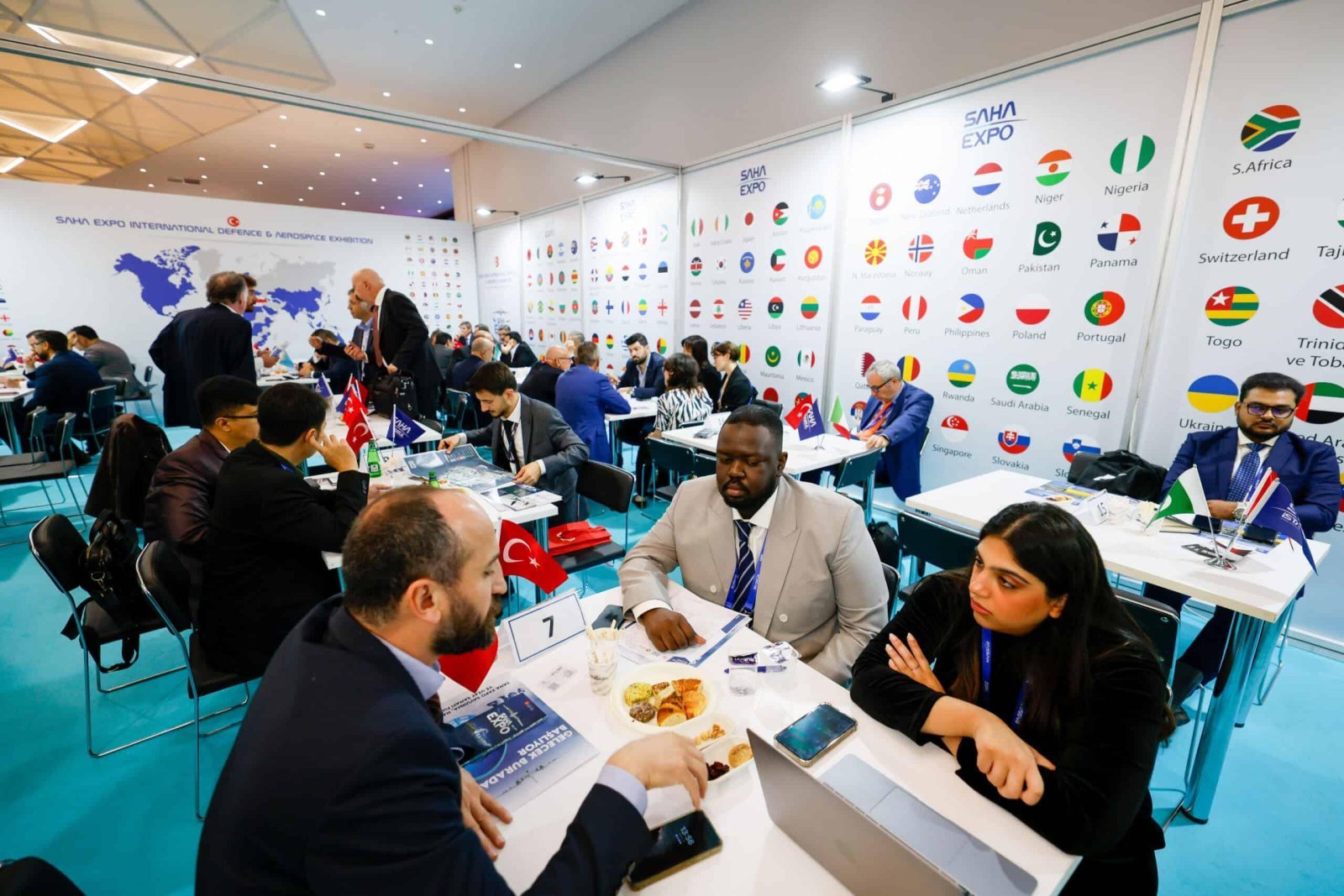
International trade fairs provide opportunities to meet manufacturers, inspect products, discuss specifications and establish initial relationships.
Industry events can also help buyers compare different suppliers within the same sector.
Other useful channels include:
Trade and investment promotion organisations.
Chambers of commerce.
Industry associations.
Business networking events.
Professional B2B directories.
Online company catalogues.
A combination of online research and direct communication usually provides a more complete picture than relying on a single source.
6. Discover Polish Companies Through Polski Klaster Eksportowy
Finding the right supplier often requires time and research. Buyers need to identify companies, understand their products and determine whether their capabilities match specific business requirements.
Polski Klaster Eksportowy is developing an online catalogue designed to make Polish companies and their offers easier to discover for international business audiences.
The platform brings together company profiles organised by industry, allowing visitors to explore different sectors and identify potential business partners.
Through the catalogue, international visitors can:
Discover Polish companies operating in different industries.
Explore manufacturers and suppliers by business category.
Learn more about company activities and product offers.
Find businesses operating in related sectors.
Access company information and contact details.
For Polish companies, the platform offers an additional digital point of visibility that can complement their own websites, sales materials and participation in international trade fairs.
For international buyers, it is intended to serve as a starting point for discovering potential suppliers and initiating business conversations.
The catalogue does not replace independent supplier verification or commercial due diligence. Instead, it aims to make the first stage of discovering Polish business partners more accessible.
Are you looking for a Polish manufacturer or supplier? Explore companies by industry through Polski Klaster Eksportowy and contact businesses whose capabilities match your requirements.
Conclusion: Poland as a Potential Source of Business Partners
Poland offers international buyers access to companies operating across a broad range of manufacturing and service industries.
Whether you are looking for food producers, cosmetics manufacturers, dietary supplement suppliers, furniture companies, industrial equipment providers or technology partners, exploring the Polish market may open new opportunities for your business.
Successful sourcing begins with clearly defined requirements, structured supplier research and careful verification.
By combining online research, industry networking and direct communication, international buyers can build a shortlist of potential Polish partners and develop relationships that support long-term business growth.
Start discovering Polish manufacturers and suppliers with Polski Klaster Eksportowy. Explore the catalogue, find companies by industry and take the first step towards new international business cooperation.
Frequently Asked Questions (FAQ)
Why should international buyers consider Polish manufacturers?
Poland offers a diverse manufacturing and services sector and is part of the European Union. Buyers can explore suppliers across industries such as food, cosmetics, furniture, machinery, construction materials and technology. The suitability of each supplier depends on product requirements, quality, price, logistics and destination-market regulations.
How can I find a manufacturer in Poland?
Start by defining your product requirements and searching industry directories, business catalogues, trade-fair exhibitor lists and professional networks. Compare potential suppliers and independently verify their business information, capabilities and documentation.
Do Polish manufacturers offer private-label production?
Some Polish manufacturers offer private-label, OEM and contract manufacturing services. Availability, minimum order quantities, product customisation and production conditions vary by company and industry. Contact manufacturers directly to discuss your requirements.
Can I import dietary supplements from Poland?
Importing dietary supplements may be possible, but requirements depend on the product's ingredients, classification, health claims, labeling and destination country. Always check local regulations before placing an order or marketing the product.
How can I verify a Polish supplier?
You can check company registration information, request product samples, review relevant certificates and technical documents, ask for references and discuss quality-control procedures. For larger or higher-risk orders, consider independent inspections or audits.
Does Polski Klaster Eksportowy guarantee the quality of listed suppliers?
The catalogue is designed to help international buyers discover Polish companies and their offers. Buyers should independently verify suppliers and conduct appropriate commercial, technical and regulatory due diligence before entering into agreements.

Oleksandr Bilous
Export Cluster Development CoordinatorI started as a Project Coordinator at the Export Promotion Foundation. I am now working on developing a new approach to the export cluster, focusing on business collaboration, showcasing companies’ potential, and creating new opportunities for growth in international markets.