
هذا المقال غير متوفر بلغتك بعد — نعرض النسخة باللغة: English.
For many Polish manufacturers, entering international markets is a natural next step in business development. A company may have a high-quality product, a competitive offer and a strong position in its domestic market, yet still struggle to reach importers, distributors and business customers abroad.
Having a good product is not enough. Successful international expansion requires a clear strategy for finding potential partners, presenting the company professionally and building lasting business relationships.
In this guide, we explore practical ways to find international buyers and explain how Polish companies can prepare for successful international cooperation.
1. Start by Defining Your Ideal Customer
Before sending out offers, a company should clearly identify the type of customer it wants to reach. A food manufacturer will be looking for different business partners than a machinery supplier or a company producing dietary supplements or cosmetics.
Start by defining:
Type of buyer: importer, distributor, retail chain, manufacturer or B2B end customer.
Industry and product application: which sector uses your product and for what purpose?
Company profile: what size and type of business would make an ideal partner?
Target markets: which countries or regions are you interested in?
Order volumes: what quantities can you supply, and what minimum order sizes do you require?
Cooperation model: are you looking for distribution, private-label production, contract manufacturing or direct sales?
The more precisely you define your ideal customer, the easier it becomes to identify relevant business opportunities and avoid wasting time on unsuitable contacts.
2. Choose Your Target Markets Based on Data
The largest market is not necessarily the best market to enter first.
Before choosing a country, analyse several factors:
Market demand for your product.
Existing competition and market positioning.
Transportation and logistics costs.
Regulatory barriers and product requirements.
Available distribution channels.
Payment risks and business conditions.
It is also important to research trade data and import requirements before making a decision. For companies exporting outside the European Union, the EU's Access2Markets database can be a useful starting point for checking tariffs, customs procedures and product-specific requirements.
A practical approach is to select one or two markets for an initial export project rather than trying to enter several countries at the same time.
3. Prepare an Offer That International Buyers Can Understand
An international buyer should be able to quickly understand what your company produces, who your products are intended for and why it is worth starting a conversation with you.
Your export offer should be clear, up to date and available in the buyer's language.
A professional company presentation should include:
A short introduction to your company and its experience.
A product portfolio with photographs and technical specifications.
Information about production capacity and delivery capabilities.
Relevant certificates and product documentation, where applicable.
Cooperation terms, minimum order quantities and estimated lead times.
Contact details of the person responsible for international sales.
It is also worth preparing a short company presentation that can be sent to potential partners after the first contact.
4. Where Can You Find Importers and Distributors?
There are several effective ways to identify potential international business partners. The best results usually come from combining multiple channels.
International Trade Fairs
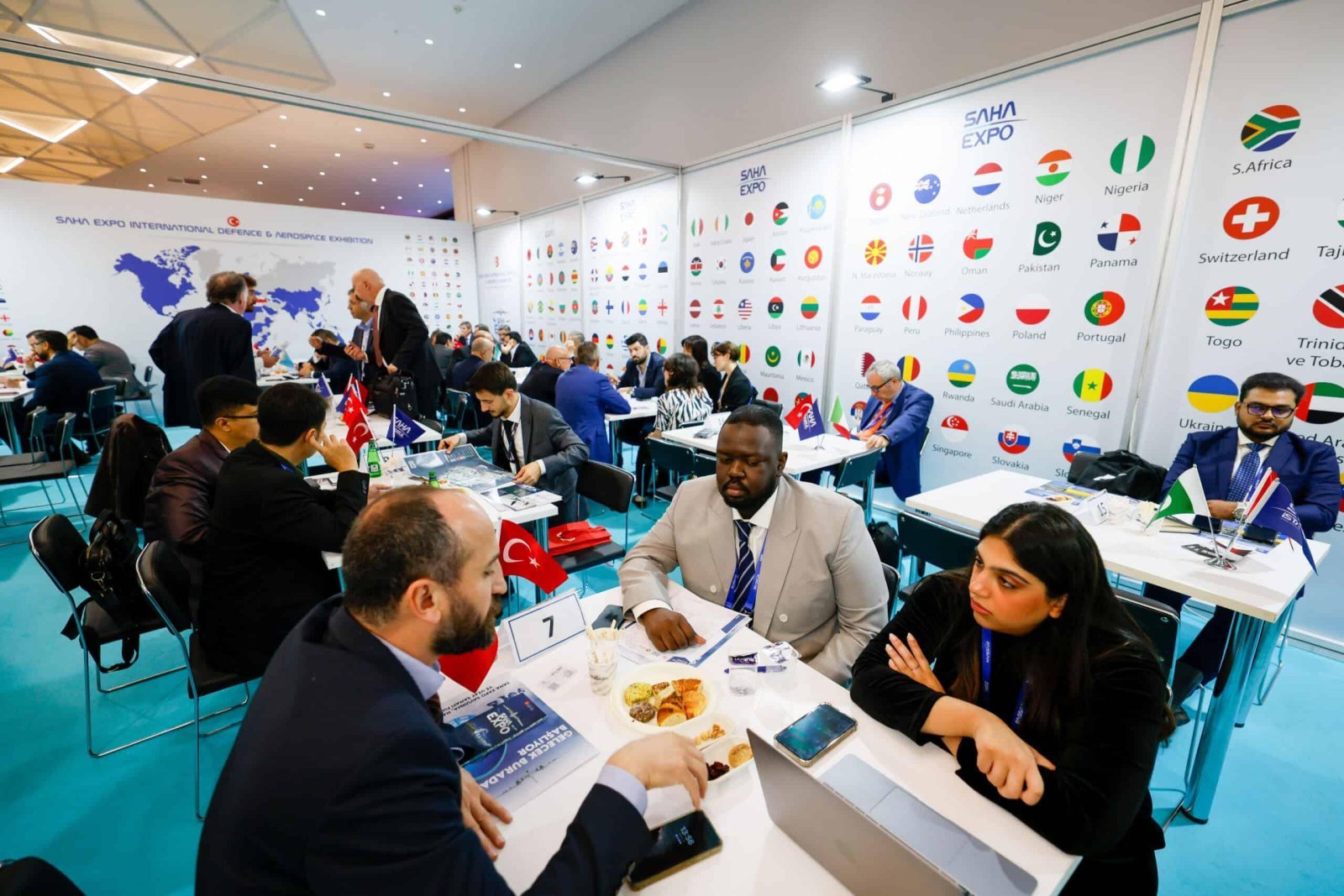
International trade fairs provide an opportunity to meet potential partners, present your products and discuss cooperation opportunities in person.
However, simply attending an exhibition does not guarantee new business. The most effective approach is to prepare a list of target companies in advance, arrange meetings and define clear objectives for participation.
Industry Associations and Export Support Organisations
Chambers of commerce, industry associations, trade promotion agencies and public institutions can provide access to market reports, business events and useful information about foreign markets.
They are valuable sources of knowledge and potential business contacts.
Search Engines, Business Directories and B2B Platforms
Online research can help companies build lists of potential importers, distributors and business partners.
Industry directories and B2B platforms make it easier to explore companies by sector, product category and location.
Regardless of where a contact is found, it is important to verify the company before entering into negotiations.
Recommendations and Existing Business Relationships
Contacts established at trade fairs, through business partners or during previous projects can be an excellent starting point for international expansion.
Companies should continuously develop their business networks and keep track of their communication history with potential partners.
5. How to Prepare for International Trade Fairs
Participation in a trade fair should be part of a broader sales strategy, not a one-time marketing activity.
Before the event, define your objectives, prepare a list of companies you want to meet, finalise your presentation materials and decide how you will collect and organise business contacts.
During the exhibition, pay attention to the needs of potential customers and record the next steps agreed during each conversation.
After the event, follow up with your contacts as soon as possible. A personalised message, the materials you promised to send and a clear proposal for the next step can help turn an initial conversation into a genuine business opportunity.
6. Maintain Your Company's Visibility After the Trade Fair
Not every potential customer makes a decision during the first meeting.
Some buyers return to supplier offers days or even weeks after an exhibition. They compare companies, discuss options with colleagues and evaluate different proposals before making a decision.
That is why your company should have an easily accessible online presence where potential partners can revisit your offer after the event.
A clear online company profile containing a business description, product information, photographs and contact details makes it easier for buyers to learn more about your company.
A direct link or QR code leading to your online profile can also support post-exhibition communication and make it easier for potential partners to find your information again.
7. Polski Klaster Eksportowy — An Additional Point of Contact with International Partners
Polski Klaster Eksportowy is developing an online platform designed to present Polish companies and their offers in one place.
Its goal is to make it easier for international buyers to discover Polish manufacturers, browse company profiles by industry and establish new business connections.
For companies participating in trade fairs, an online profile can complement traditional promotional materials. Potential partners can return to the company's information even after the exhibition has ended and discover other businesses operating in related industries.
If your company plans to expand internationally, it is important to make sure that your offer is easy to find and understand for potential business partners abroad.
Conclusion
Finding international buyers requires a combination of several activities: choosing the right target market, preparing a professional offer, systematically searching for business partners, participating in industry events and maintaining consistent follow-up communication.
There is no single channel that works for every company. The best results come from a well-planned process and a credible, easily accessible presentation of your business.
Would you like to increase your company's visibility among potential international partners? Discover the opportunities to present your business in the Polski Klaster Eksportowy catalogue.
Frequently Asked Questions (FAQ)
Can a small Polish company start exporting?
Yes. A good starting point is to assess your export readiness, select one target market and check the requirements applicable to your product.
How can I find an importer abroad?
You can use international trade fairs, industry associations, trade databases, search engines and B2B directories. Always verify potential business partners before entering into cooperation.
Is participating in a trade fair enough to attract international customers?
No. Trade fairs are only one part of the process. Results also depend on preparation, the quality of business meetings and effective follow-up after the event.
How should I prepare my company for a meeting with an international buyer?
Prepare a clear company profile, product catalogue, technical specifications, delivery information and contact details for the person responsible for international sales.